
Mental Healthcare for People Receiving Dialysis and Experiencing Anxiety

This page describes a realist project that aims to address a patient-identified gap in mental healthcare for people receiving dialysis and provide insights into how to best support people-centred mental healthcare for this population.


Anxiety symptoms are far too common among people living with kidney failure and receiving dialysis, yet remain ignored. Untreated anxiety symptoms are linked to negative effects, including more hospital stays and poor quality of life. However, people receiving dialysis have said that their mental health is rarely addressed.

In the health care system, patients and clinicians face barriers to receiving and providing mental health care respectively. There are still unanswered questions.

  • How does mental health care work to address anxiety symptoms of people receiving dialysis?
  • Why does it help some, but not all people?
  • Who benefits the most?
  • Why does it work better in some conditions?

We need to answer these questions to provide equitable and people-centred mental health care for people receiving dialysis.
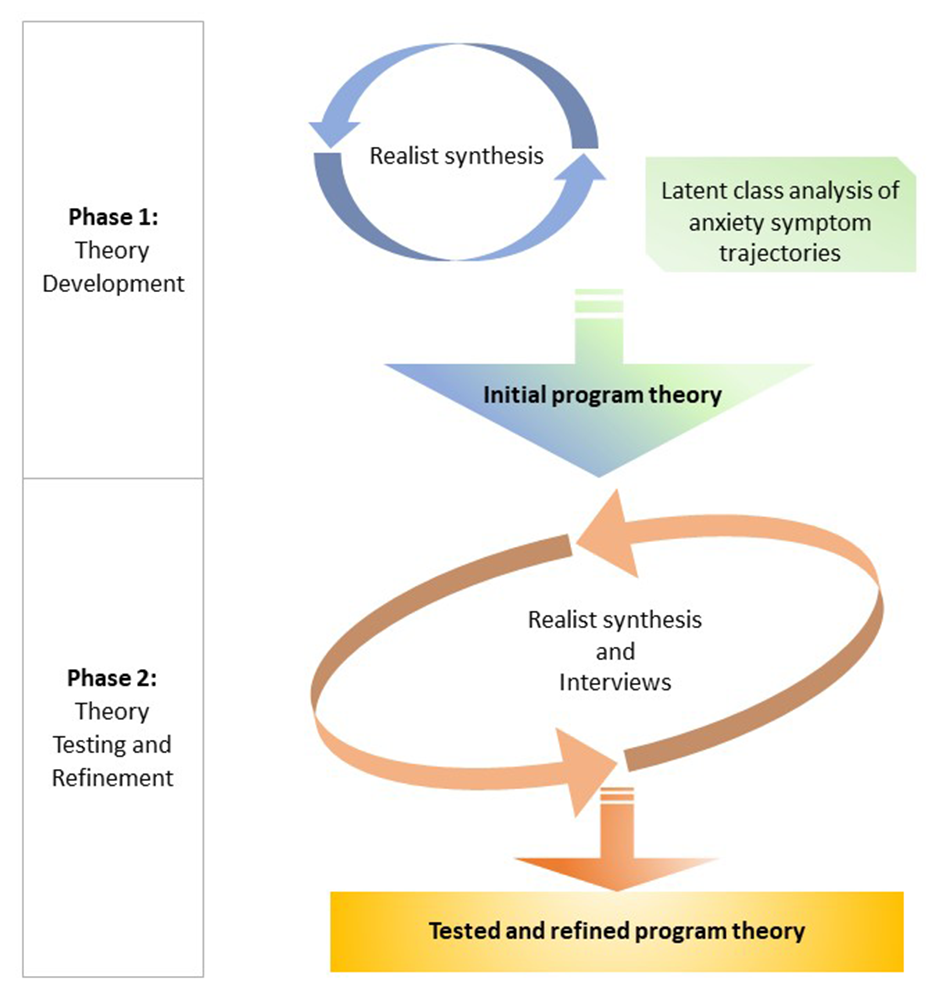

Aim: To develop, test, and refine a program theory that explains how, for whom, in what circumstances, and why mental healthcare works for people receiving dialysis and experiencing anxiety.

Research Phase Diagram

A Community Advisory Committee is engaged throughout the research process. This Advisory includes nine members: people with lived experience of dialysis, relatives of those receiving dialysis, recipients of kidney transplants, and community members with personal connections to kidney failure.


Publications

  • Lo, L. S. H., Sawatzky, R., Greenhalgh, J., & Schick-Makaroff, K. (2025). A Realist Investigation of Mental Healthcare for People Receiving Dialysis and Experiencing Anxiety. PROSPERO: International Prospective Register of Systematic Reviews. Registration CRD420251130795. Available from: https://www.crd.york.ac.uk/PROSPERO/view/CRD420251130795 (opens in new tab)